WINGSPAN Conference

Wingspan 2026

From 3 to 5 November 2026, the second edition of Wingspan, our biennial international conference for a nature-positive energy transition, was successfully held in Berlin, Germany. The Renewables Grid Initiative (RGI), TB Raab GmbH and 50Hertz jointly organised the 2026 edition under the theme “From Partnerships to Practice – Accelerating Nature-Positive Energy Infrastructure” as part of the LIFE projects SafeLines4Birds, LIFE EUROKITE and LIFE EUROBUSTARD. The conference brought together conservationists, scientists, grid operators, renewable energy developers and government representatives to turn shared policy goals into practical implementation.

With 188 in-person participants and 76 online attendees, the event provided a landmark platform for international stakeholders to bridge the gap between the necessary renewable energy deployment and biodiversity protection.

Our from the conference are:
  1. The energy transition and nature protection are one mission and must advance together. We heard this message at the highest political level, reinforced by a policy landscape in motion: a competitiveness, affordability and security agenda building on the Green Deal, a Grids Package redefining network planning, RED III reopened, and the Birds and Habitats Directives now under discussion.
  2. Nature is still in deficit, but the tools are already existing. For the first time, binding restoration targets exist, and technologies to monitor, protect and restore are advancing just as fast. Holistic, integrated and inclusive infrastructure planning remains our best instrument for reconciling acceleration with nature protection and societal acceptance.
  3. Delivering Nature-Positive infrastructure takes more than ambition. Strategic investment, trust, shared data, and the ability to measure what “Nature-Positive” truly means are what turn commitments into action.
  4. Data sharing and innovation are the game changers. Open platforms such as RISKY, GINGR, AVISTEP and the RKR collision model enable data-driven planning and operation, while AI and advanced wildlife monitoring transform how we understand and mitigate impacts on biodiversity. On-the-ground measures like integrating spatial breeding data, durable wire markers and habitat management into grid and wind farm planning and operation can effectively de-risk infrastructure while safeguarding vulnerable species.
  5. EU support is making it happen. The LIFE Programme provides crucial frameworks and funding for cross-border, multisectoral collaboration for bird protection along power lines, including LIFE EUROKITE, SafeLines4Birds and the newly launched LIFE EUROBUSTARD.
  6. Solutions are already being implemented and showing great results. From curtailment schemes for onshore wind in France to Saker Falcon nest boxes on electricity pylons in Slovakia, practical examples show what is possible today.

Wingspan 2026 showed that the energy transition and nature protection are not competing goals, but part of the same mission. Across two days of political dialogue, data-driven innovation and hands-on solutions, one message stood out above all: challenges remain, but the direction is clear. The energy, science and conservation communities are committed to working together towards a nature-friendly and nature-positive energy transition. The conversations do not end here: recordings, presentations and photos are available below and we look forward to continuing this work with you at the next edition of Wingspan!

Fair

Throughout both conference days, Wingspan featured a dedicated Vendor Fair showcasing state-of-the-art technological solutions designed to mitigate risks for birds along power lines and wind turbines. Attendees had direct access to equipment manufacturers demonstrating bird flight diverters, avian radar systems, AI monitoring tools, and pylon protection gear.

Manufacturers present at the fair:

Session

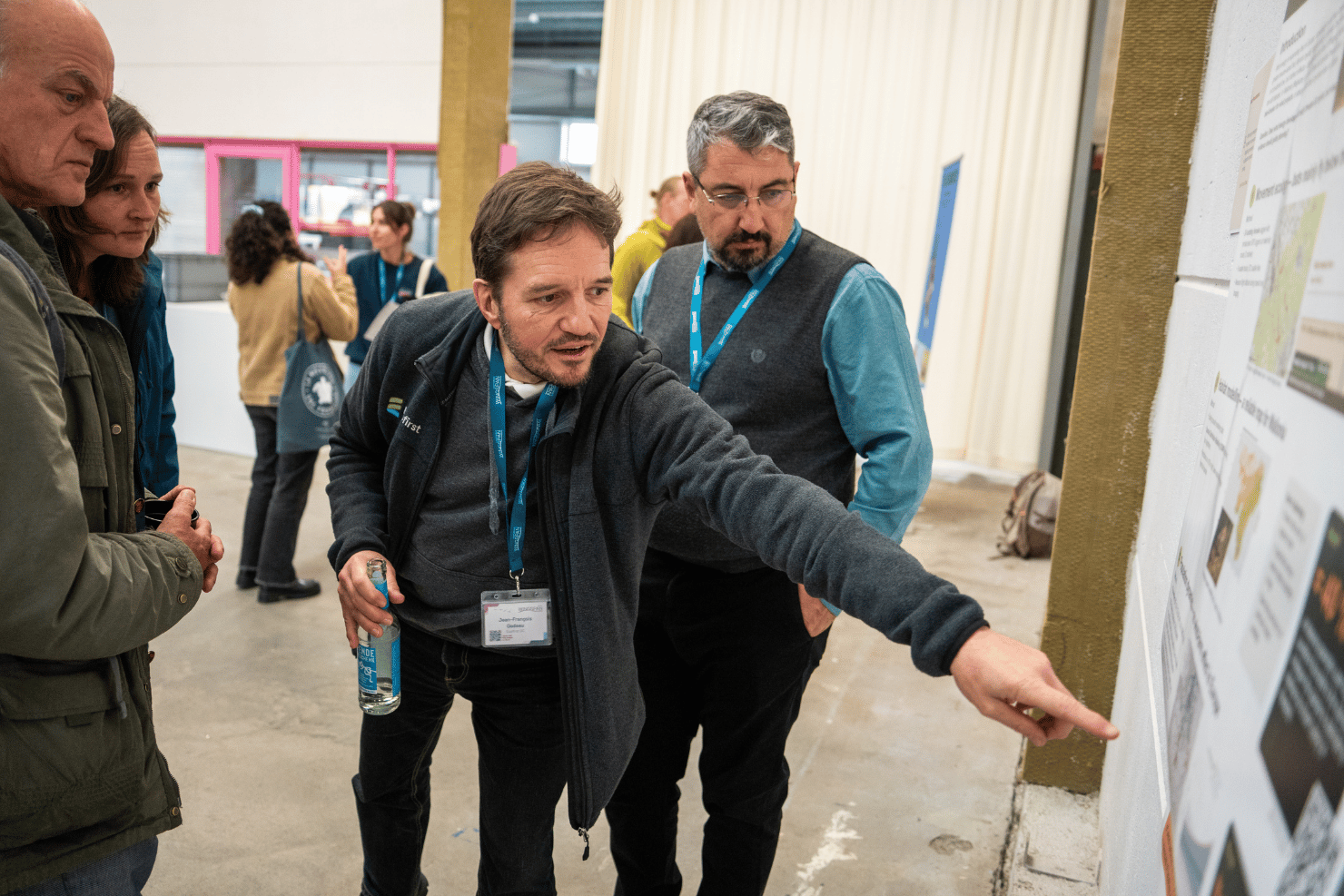
On the second day of the conference, a dedicated poster session showcased seven scientific studies and innovative field projects including:

  • Quantifying the impacts of power lines on bird and mammal diversity with Norway as a case study from Dr. Dafna Gilad, Norwegian Institute for Nature Research (NINA)
  • Investigating Black Stork ecology and wind farm interactions using high resolution GPS telemetry from Louise De Neyer, Ecofirst SC
  • Practical Insights from RWE’s Onshore Biodiversity Positive Pilots from Peter Jones, RWE
  • Red Kite protection in the EUROKITE LIFE project in Hungary from Péter Spakovszky, BirdLife Hungary
  • Electrocution on medium-voltage power poles as a major threat to the reintroduced Northern Bald Ibis population from Bernhard Gönner, Schönbrunn Zoo
  • Wind energy development and the conservation of the greater mouse-eared bat from Jean-François Godeau, Ecofirst SC
  • Mapping artificial land surfaces to accelerate nature-positive renewable energy deployment from Stela Hristova, WWF Bulgaria, WWF CEE

All posters are available for download here. 

excursion

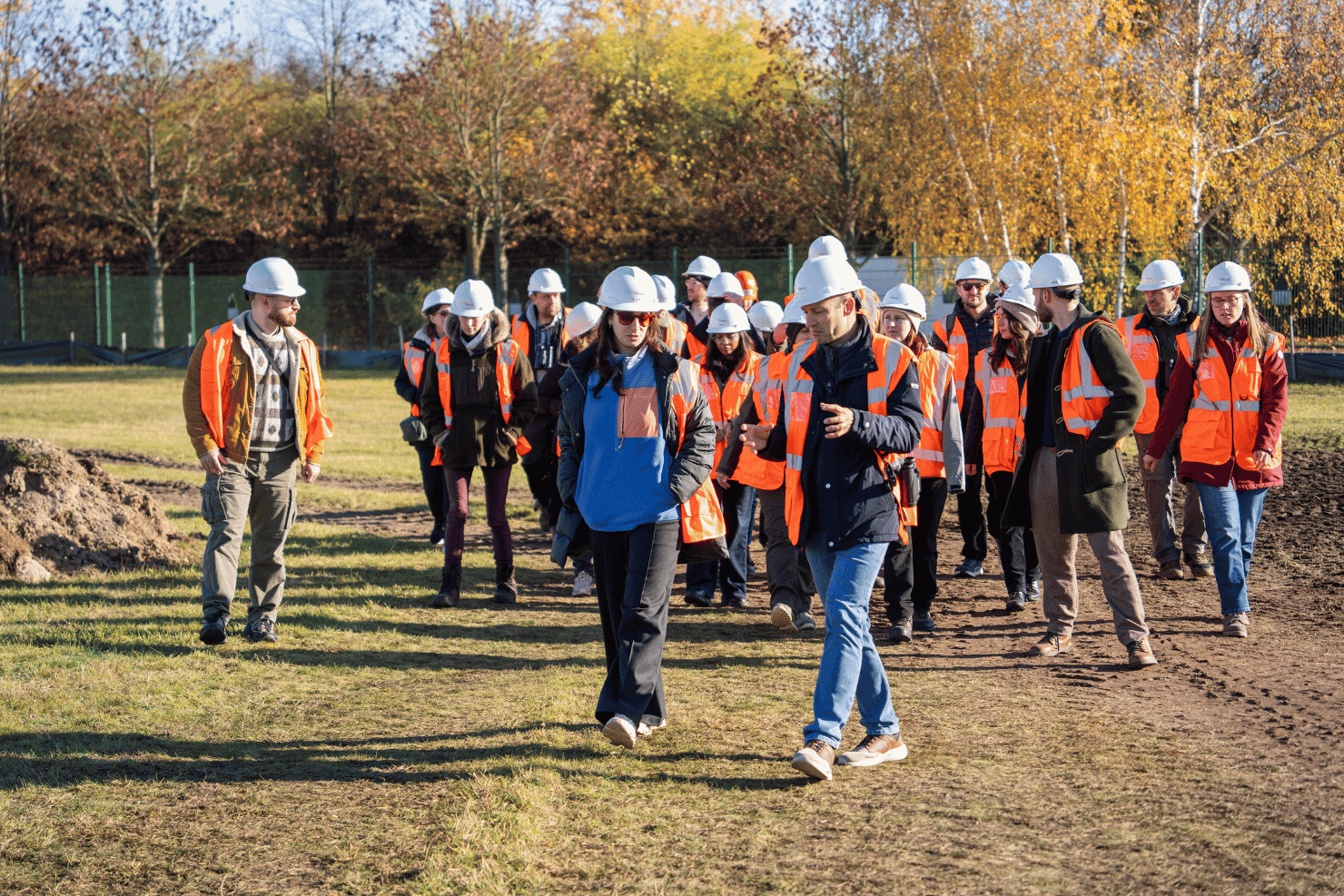
The conference wrapped up on 5 November with an inspiring field excursion organised by 50Hertz GmbH and the Renewables Grid Initiative, in collaboration with NABU Brandenburg. Participants visited 50Hertz’s Neuenhagen Regional Centre to learn about the day-to-day operations of a TSO. We had the opportunity to explore the substation and learn about bird protection measures and environmental compensation measures implemented on site. In the afternoon, the group visited the Lange Damm Wiesen nature reserve, a unique habitat where grazing water buffalo, koniks, and heck cattle help preserve open land for rare species.

Catch up on of the Wingspan 2026
Scroll to Top